> Overview: News
> Overview: Service
> Overview: About
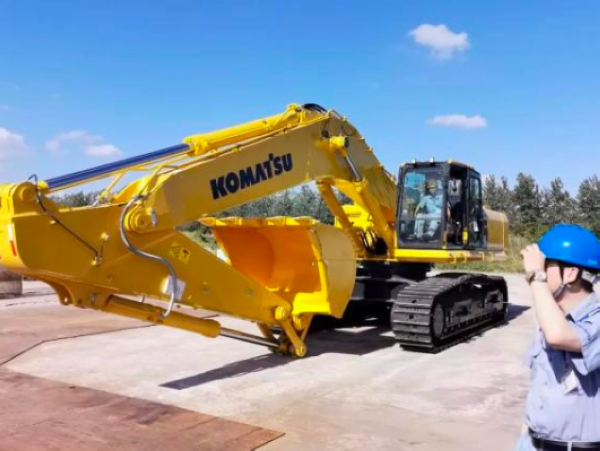
Loading trucks is one of the most
fundamental tasks for excavators, typically performed using either elevated
platform loading or flat ground loading. While platform loading is generally
preferred for its efficiency and reduced effort, many job sites require
operators to rely on flat ground loading due to site limitations.
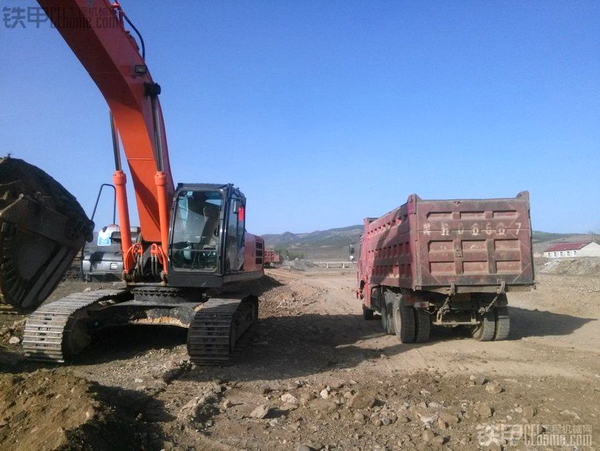
According to experienced operators, proper
machine positioning is the key to successful flat ground loading. The excavator
and dump truck should be aligned in parallel, with an optimal distance that
allows the boom and arm to form an angle between 90° and 110° when the bucket
is positioned over the truck. This setup ensures flexibility in movement while
maintaining a safe clearance of over one meter between the excavator’s
counterweight and the truck.
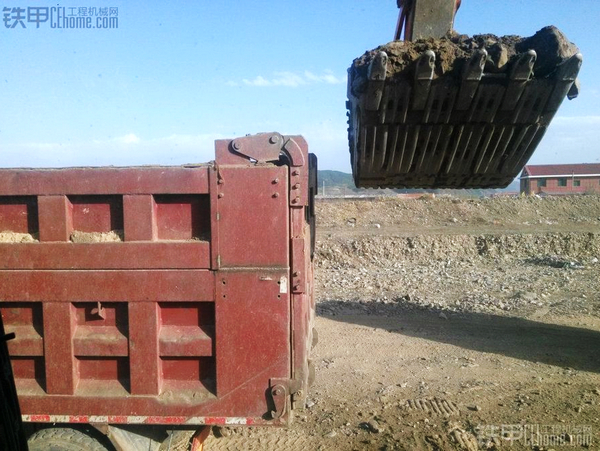
Truck positioning is equally important. If
placed too far forward or backward, it can either limit reach or obstruct the
operator’s view. Ideally, when the excavator rotates 90 degrees, the operator
should clearly see the rear gate of the truck, minimizing swing radius and
improving efficiency.
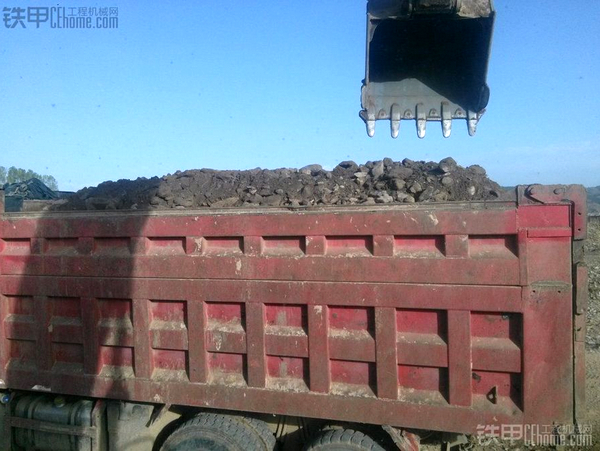
In terms of loading technique, maintaining
a steady rhythm is crucial. Operators should ensure material is evenly
distributed, adjusting bucket positioning depending on material type, such as
sand, to avoid uneven loads and maximize productivity.

Tower Crane Wind Safety Every Site Needs
99View · 2026-09-03

Shield Machine Cutter Wear: Detection Technologi
215View · 2026-08-04

Crane Anti-Tilt Tech Boosts Safety
218View · 2026-07-28

HITACHI and GRAVIS Robotics Showcase Autonomous
562View · 2026-06-22

Digital Technologies Drive Smarter Roadbuilding
515View · 2026-04-23

Topcon Positioning Systems Launches New 3D Machi
684View · 2026-03-20
Excavator Air Conditioning: Proper Use and Maint
1027View · 2025-12-25
Four Prohibited Operations for Excavators
1058View · 2025-10-29
How To Properly Maintain And Use A Hydraulic Br
1280View · 2025-07-28
Special Techniques For Excavator Tracks
1402View · 2025-07-22
Techniques For Improving The Efficiency Of Excav
1432View · 2025-06-24
Explanation Of Excavator Slope Brushing Technolo
1421View · 2025-05-20
Troubleshooting Oil-Water Mixing in Excavator En
2029View · 2025-04-29
Prevention And Emergency Treatment Of Excavator
1886View · 2025-04-17
Hydraulic Oil Overheating Solution Skills
1466View · 2025-03-26
Scientific Use Of The Crushing Hammer
1703View · 2025-03-14
Tips About Excavator Lifting
1708View · 2025-02-18
Excavator Brush Technique Tips
1701View · 2025-01-14
Excavator Ten Inspection Items
1611View · 2024-12-24
Guide To Comprehensive Inspection Of Machinery
1575View · 2024-12-17
2020-07-08
2020-08-24
2019-12-25
2020-01-21
2019-11-01
2019-10-15
2021-02-01
2021-01-14
2020-12-11
2020-10-26
2020-07-04
2020-09-30

+86-532-8579-6888
+86-532-8579-6888
+86-138-1796-0597
+86-189-5203-1496
Suite 2505, Block A, China Railway Qingdao Center, No. 8 Hong Kong Middle Road, Shinan District,Qingdao, Shandong Province, China